
SEPTEMBER 2025

As we all know, nature play is important for children and their development. Children need connections to the natural world, to build their understandings about the world they live in, and to understand their place in it. Natural environments that are rich in elements such as plants, sand, soil, water, wood and stone provide opportunities for such learning, as do natural items such as leaves, sticks, pebbles, shells, seed pods, flowers, herbs, feathers, charcoal and bark, among other items.
Many early childhood teachers and educators strive to incorporate natural items into the early years environment and program. My online workshop, “Meaningfully Incorporating Natural Items Into the Early Years Environment and Program” which can be found here, provides advice, suggestions, tips and inspiration on this topic. In relation to STEM, incorporating natural items can support children’s engagement in STEM experiences and learning.
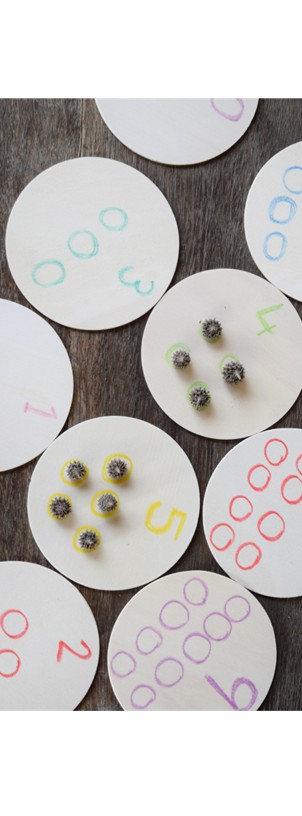
Here are just a few examples:
Counting skills – Smaller items such as seeds, seed pods, shells and pebbles are perfect for use as counters during counting experiences.
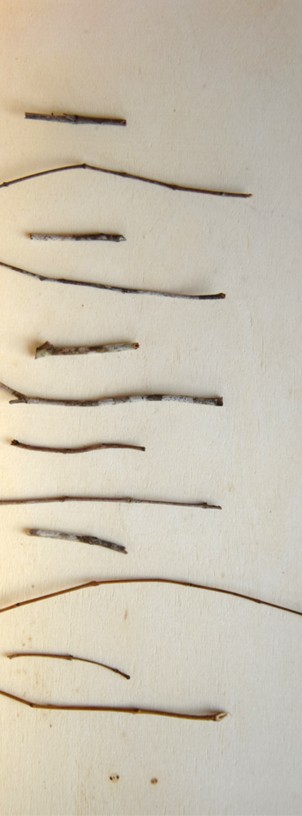
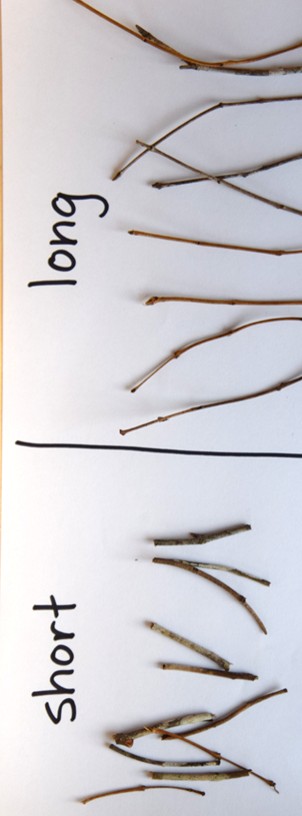
Measurement – Items such as twigs and leaves are great to use when comparing and measuring size, weight, length and width.
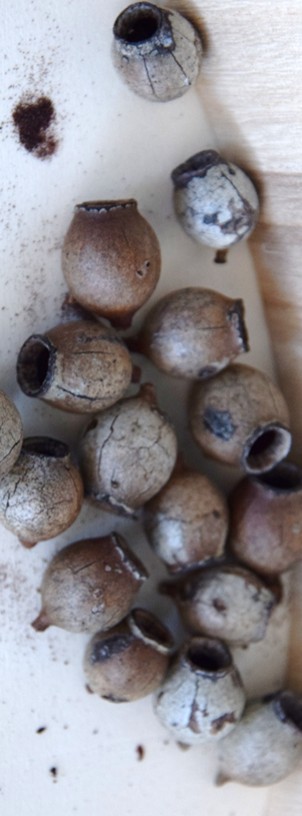
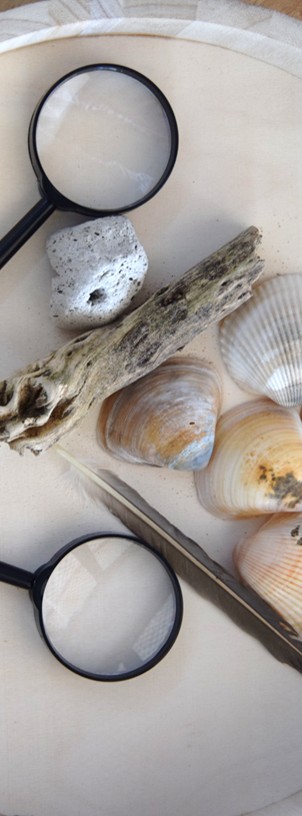
Biology – Simply presenting natural items in a provocation-style set up (for example, with magnifying glasses and notebooks) can encourage children to explore the natural items while making sense of the natural world around them.
Geology – Small samples of the local geology can be presented for the children to explore and become familiar with, such as earth samples, rock, layers of rock, gemstones, coloured sands and fossils.


Shape – Leaves and rocks can present ideal opportunities for children to observe and compare shape, angles and symmetry.
Patterns – A wide variety of items such as shells, leaves, pebbles, and seed pods can be used to support pattern making skills.

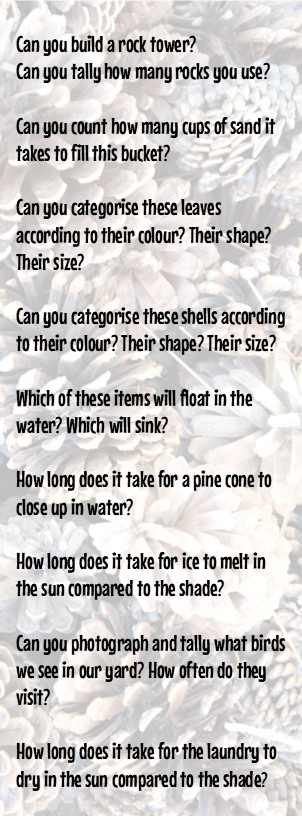
Some provocation suggestions could be:

For more information, support and inspiration, my online workshop, “Meaningfully Incorporating Natural Items into the Early Years Environment and Program” is available here.
Leave a Reply