
NOVEMBER 2025
I have often come across various understandings of what success means in early childhood, from different people and bodies. What success for a five-year old might encompass, will mean something different to an early childhood teacher, compared to a parent, to a principal, to the public, to the media, to governing bodies, and to the child themselves.
I have often found that the families I work with, the parents of the kindergarten children that I teach, typically have a very different view of what success is, compared to my own view of what success might be for their child. They often communicate their excitement and happiness when their children are able to count, to recognise numbers and letters, are able to write their own name, or they are able to recall large amounts of factual information. This, to them, is their understanding of what success is for their child.
Is this what I believe success is for young children? No. In the early years, we focus on holistic development and we celebrate the holistic achievements and progress of children, not the academic success alone. During parent meetings in which I am discussing children’s progress in the kindergarten year with their families, I often talk about how successful their children are in regards to:
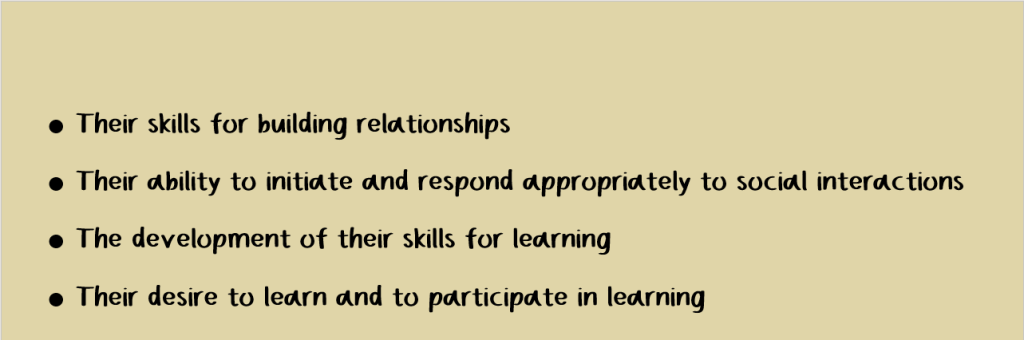

As you might notice, most of these indicators of success that I usually identify are related to social and emotional development and wellbeing. In the early years, I have often found (and have heard from specialists in the field also), it is most important for a child’s social and emotional development to be nurtured and facilitated. If a child has a strong foundation of social and emotional development, then other developmental domains and areas of learning will flourish.
I believe that young children experience success when they recognise their own achievements, milestones, and progress. This is why it is so important to celebrate these with children, to assist them in building their own self-awareness and growth. Young children also experience success when they recognise their own strengths and character traits, and develop these during play, learning challenges, and social interactions.

I was surprised to discover that in many Scandinavian countries that are far less influenced by the Human Capital Theory (HCT) or the Global Education Reform Movement (GERM), a person’s happiness is an indicator of their success. Happiness is valued by education communities and schools as important for all children. The value of happiness is embedded into the children’s learning.
Additionally, Kathy Walker’s research tells us that indicators of success for children in the early years are:
- Self-concept
- Resilience, “I can try again”
- Healthy Relationships
- Effectively communicate to express needs. (This is an interesting analysis Kathy makes, when she identifies the Australian cultural attitude of “toughen up”, and the impact this has on children as adults, when she states, “Why would you have the skills to reach out for help?” which can then lead to adolescent and adult mental health issues)
Evidently, there are many varying ideas of what success is for a child. One might find many differing views on what a successful person is in our modern culture. Despite cultural ideals and attitudes, the research suggests that success is not to be measured academically, as this is no indicator as to how a child is going to experience their own life in a positive and rewarding way. Even though professionals across the early years field may have differing views of what success is for young children, commonalities can be identified among them. I find it is important and valuable to communicate with the families that I work with, my views of what success is in early childhood. This establishes a common ground with families, as I share with them in the joys and achievements of their child throughout their year in my class.
Leave a Reply